Why Your Comeback Doesn’t Have to Be Extra Special
The best is the enemy of the good. – Voltaire
I’m going to do something different today.
Admittedly, it’s already different in the fact that I’m writing anything for this website. I know it’s been a long time. (Thanks, Mom, for the email just containing the date of my last post.) But the change today isn’t simply a change from absence. It will be a change in how I write these posts. Or rather a return. I think that was part of the problem – both for you and me.
Having a family, a job that always demands more, and the persistent biological need for sleep (as much as my children try to claim this isn’t a “need”), writing these posts has been deprioritized.

But these posts are something I love doing. Or at least used to love doing.
I started this website nearly 15 years ago when the word “blog” was both weird and an insult. Then it became cool-ish. Now it’s uncool again. Today, it’s all Substacks or X feeds or AI.
When I first started writing on here, I just said stuff about life, sometimes witty, usually not, occasionally I would be vulnerable. When I got into graduate school, I focused on translating psychological science to enhancing everyday life. I’ve always been passionate about that. But if you do something long enough, it becomes formulaic. And formulaic becomes impersonal.
And being impersonal was never what this website was meant to be.
So what’s the change I promised? Well, it’s more of a reversion. I’m still going to write about using psychology to improve your life. That’s what I love writing about. (I’m also going to talk more about AI a new kind of everyday psychology.) The real change comes in that I’m going to ditch the formula.
I’m going to write from my voice and my perspective with all the Jake-isms and unprofessional syntax baked in. This website was never meant to be a “content machine.” Just me doing what I love while also giving insight to others.
So, speaking of that insight, let me get to some of it — namely, how to restart doing something you love.
PICKING IT BACK UP
For a while, I’ve felt like a phony. People would ask me what I like to do and I would say “fiction and science writing – often science fiction writing.” But I haven’t done either of them in so long it feels like a hollow claim. (Did I still say it anyways? Of course. One has to sound interesting to others.)
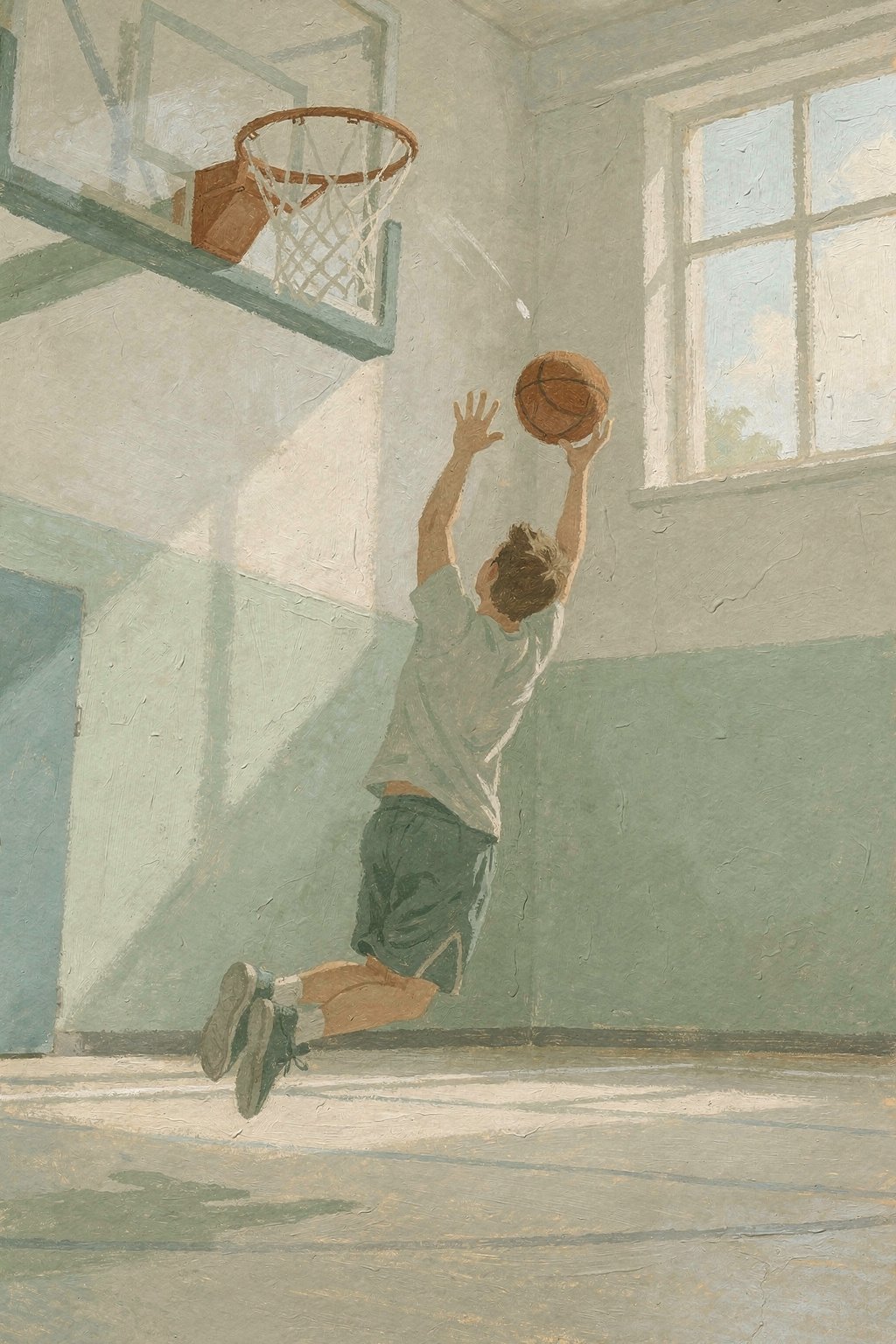
But I want to mean it again when I say that I do it. So today, I will teach you one useful thing about picking back up your hobby or interest or passion.
This comes from a recent paper by Linda Hagen and Ed O’Brien (an amazing pair of people and researchers – who are married no less!). In it they examine how the time between doing something you enjoy affects your likelihood of returning to it.
For most people, the following probably sounds intuitive: “The longer it has been since people’s last time enjoying something, the more people may jump at the chance to enjoy it again.” But that’s the opposite of what the researchers find.
The longer since a person did something enjoyable (cough, write a post for their website), the more they postpone doing it again.
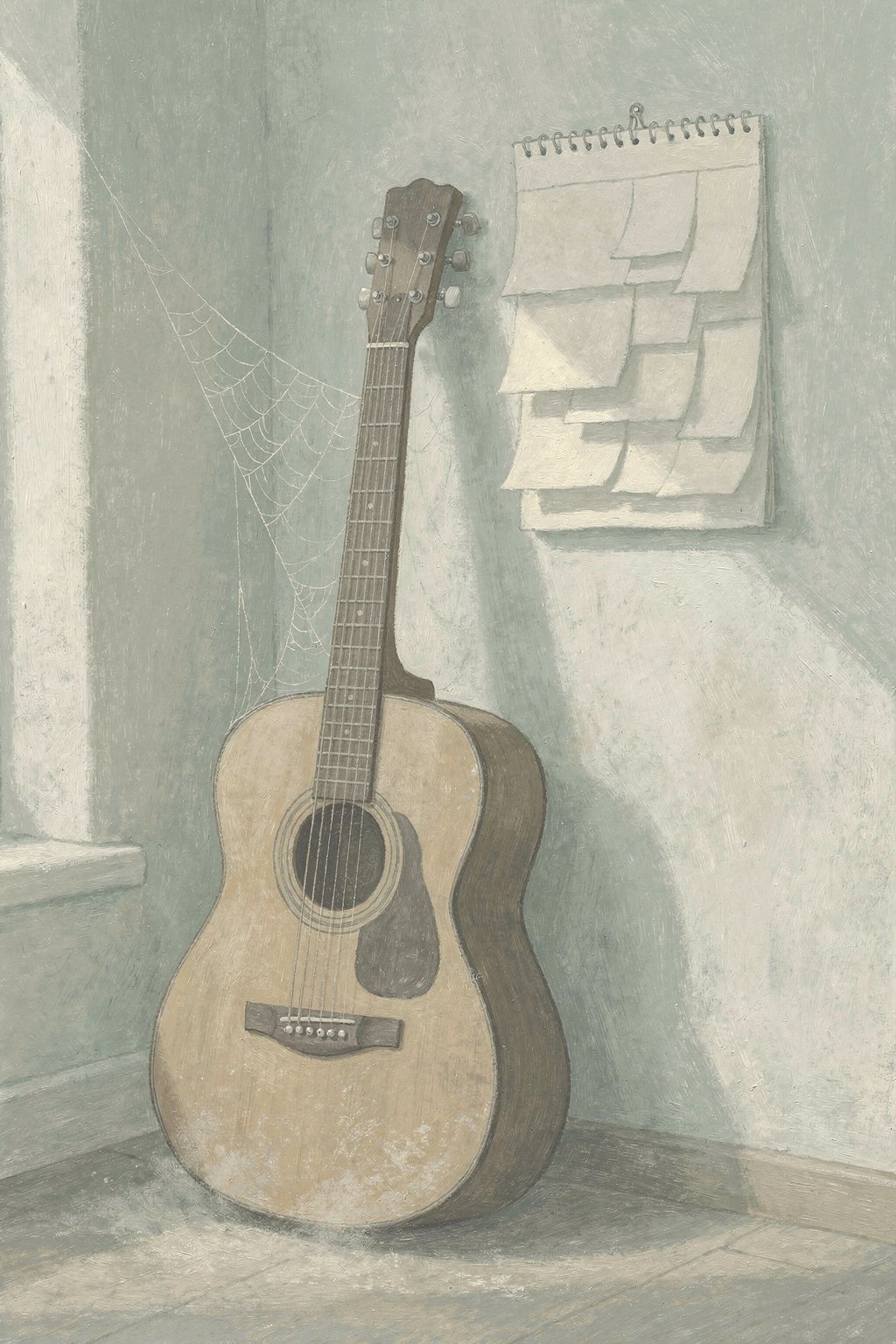
In one of their studies, they looked at how quickly people got back to activities they loved after the COVID-19 pandemic shut them down. What they found was that the longer it felt to people that they had stopped doing the activity, the slower they were to return to it.
In another study, they had people recall an activity they love and imagine that either 1 month or 1 year had elapsed before suddenly having the opportunity to do it again. People who imagined waiting longer endorsed waiting longer to return to the activity.
Why does this happen?

The authors note that there are multiple different factors that play into this, but one of the more prominent ones is described as “demanded value.” People believe that when they return to something after a long time, that return needs to be “extra special.”
For example, if you hadn’t written an article for your website in a long time (gee, where does this example keep coming back from?), you feel like it has to be extra special for your return. Or as another (probably more familiar example), if you haven’t spent time with a friend in a long time, you feel like you “can’t just grab coffee – it has to be something extra special!”
So, with that in mind, I finally decided that this post doesn’t have to be extra special. It just has to be done.
Hoping to Write More Frequently,
Jake
Everyday Psychology: So how can you help yourself overcome this “extra special” bias? The authors actually tested an intervention on this. The trick is to change how you think about the present moment of returning. Rather than thinking it has to be some kind of grandiose display, simply tell yourself that any kind of return after a long delay is special in and of itself. Here’s the exact wording of the prompt to try for yourself:
“Spend a moment reflecting on the fact that any event like this can feel extra special, all things considered. In other words: It really doesn’t matter what you fill it with, if you think about it. Who cares what you exactly do for it or how perfectly it goes. Precisely because it’s been so long since you’ve last done it, your return will feel extra special either way!” (Hagen & O’Brien, 2025)
Note: All text was written by Jake unless otherwise noted. All images were generated by AI.
Hagen, L., & O’Brien, E. (2025). Lost time undermines return behavior. PNAS Nexus, 4(6), Article pgaf156. https://doi.org/10.1093/pnasnexus/pgaf156