
Are You Doing Nostalgia Wrong?
“I wish there was a way to know you’re in the good old days before you’ve actually left them.” – Andy Bernard, The Office
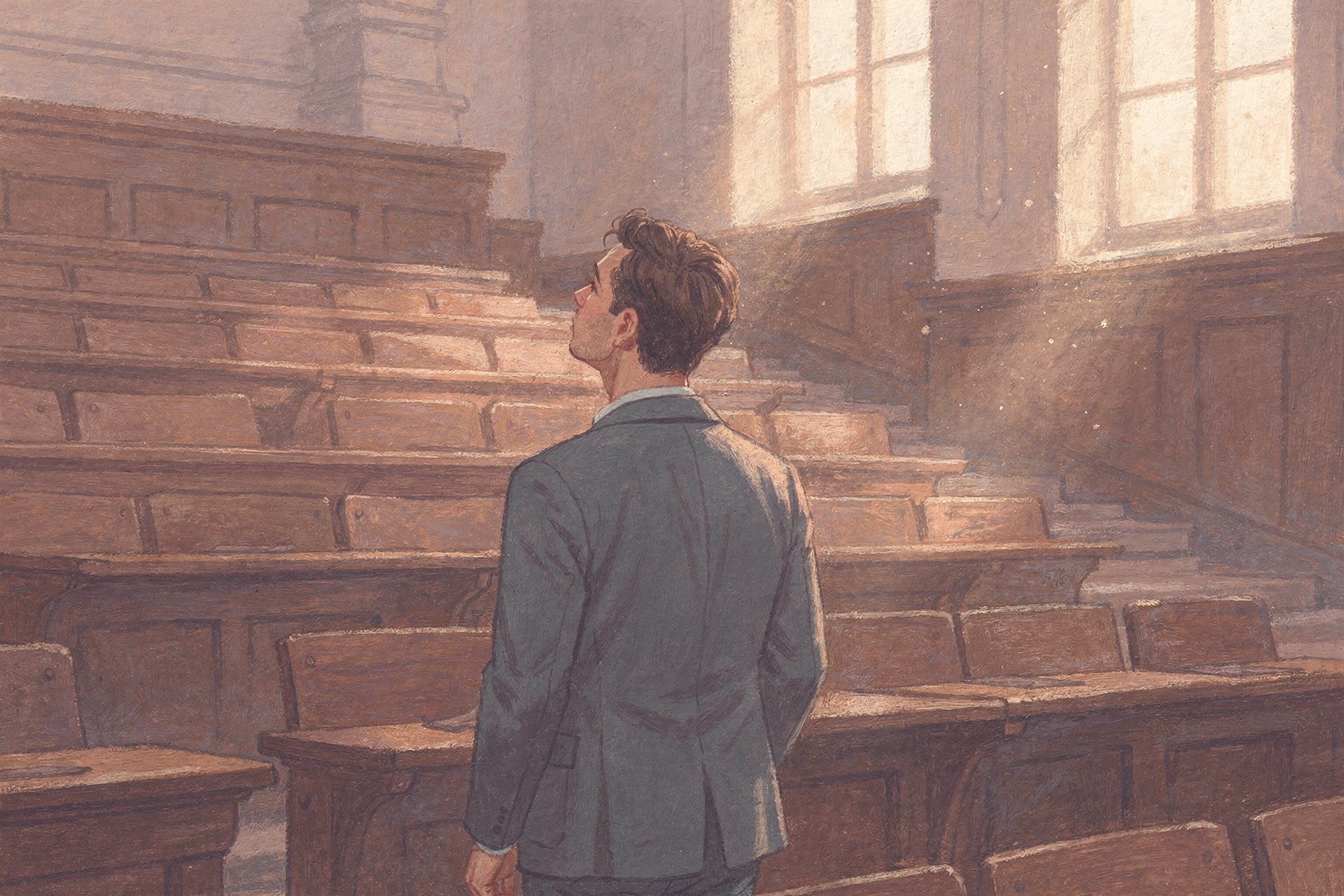
Recently, I did something I don’t normally do. I went back to a place strongly associated with Past-Jake—The Ohio State University. The place I spent seven years (yes, seven, oof) getting my PhD. (And yes, “The” before OSU is necessary.)
Walking on OSU’s campus, up to Lazenby Hall, that smell of old wood mixed with old sneakers in the stairwell, I was smothered with a feeling that often keeps me from revisiting my past.
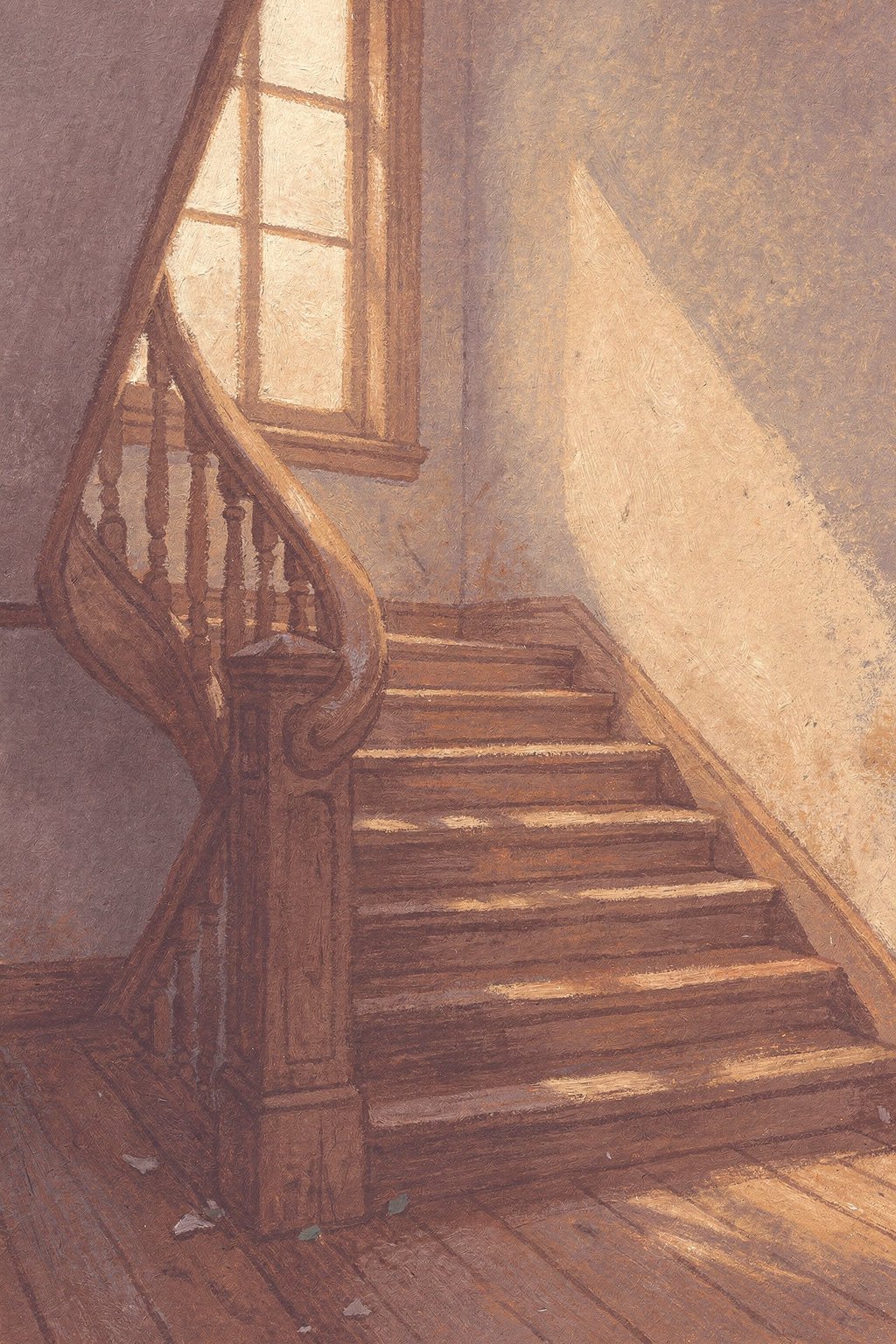
Nostalgia.
I am typically very grounded in “the now.” I don’t spend a lot of time thinking about my high school years, or that time before graduate school where I lived with those older roommates (i.e., my parents). But when you’re standing in the literal room where you gave and attended research talks for years of your life (cough, seven), it’s impossible not to feel that emotion belch up.
Nostalgia is defined as a “sentimental longing for the past,” and many people describe it as a mostly positive but bittersweet feeling. Typically, it involves memories about socially close others or meaningful events, and most people find it to be a good thing.
Which—when confronted with the definition—got me thinking.
If I don’t typically like feeling nostalgic, could I be doing it wrong?
FEELING NOSTALGIC FOR NOSTALGIA
In 1688, the Swiss physician Johannes Hofer first used the term “nostalgia,” which comes from the Greek “nostos” (homecoming) and “algos” (pain). And for a while, nostalgia was treated as a medical illness.

It was first applied to understanding homesick soldiers, and doctors claimed it was associated with fevers, a racing heart, wrinkling, and even hair loss. (If that last one’s true, I guess I haven’t avoided nostalgia as much as I thought.)
But a few hundred years later, when psychology adopted the scientific method, nostalgia was more accurately described as a flexible emotional experience that can actually do lots of positive things for people.
During feelings of nostalgia, we often recall ourselves as the main character, where there is some kind of “redemptive arc.” That is, nostalgic memories often involve recalling a hard stretch of life that resulted in triumph. And when memories evoke nostalgia in this way, it can actually improve your mood.
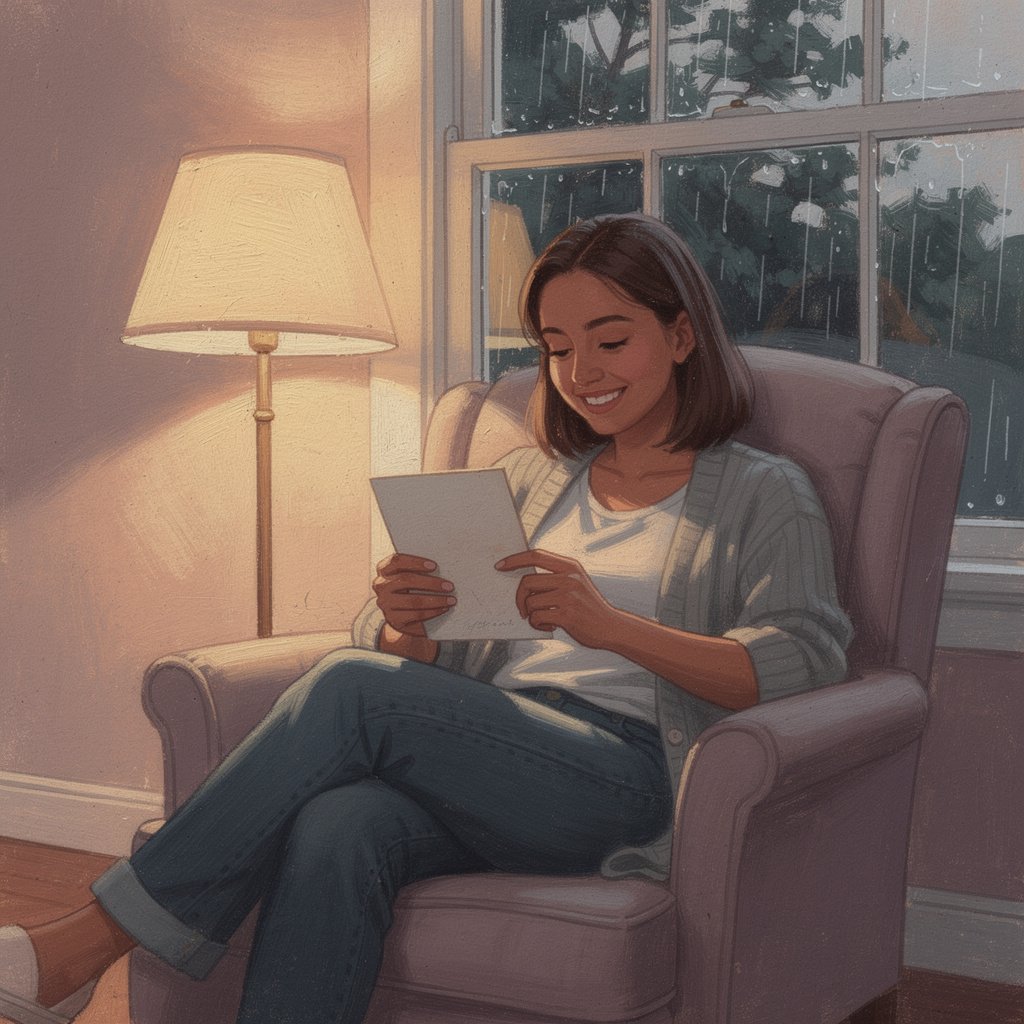
For example, when people are feeling lonely or sad, they are more likely to draw on memories that elicit nostalgia, because doing so can make them feel better. But not only can nostalgia improve your mood, it can also give you feelings of energy (what the researchers call “vitality”) and even increase your perceived meaning in life.
The trick is you just have to evoke it the right way.
USING NOSTALGIA EFFECTIVELY
Already, I’ve described some of this, but let me break it down step by step.
First, when trying to use nostalgia to your advantage, try to recall memories that involve people you’re close to. Second, try to focus on a memory that depicts success after struggle.
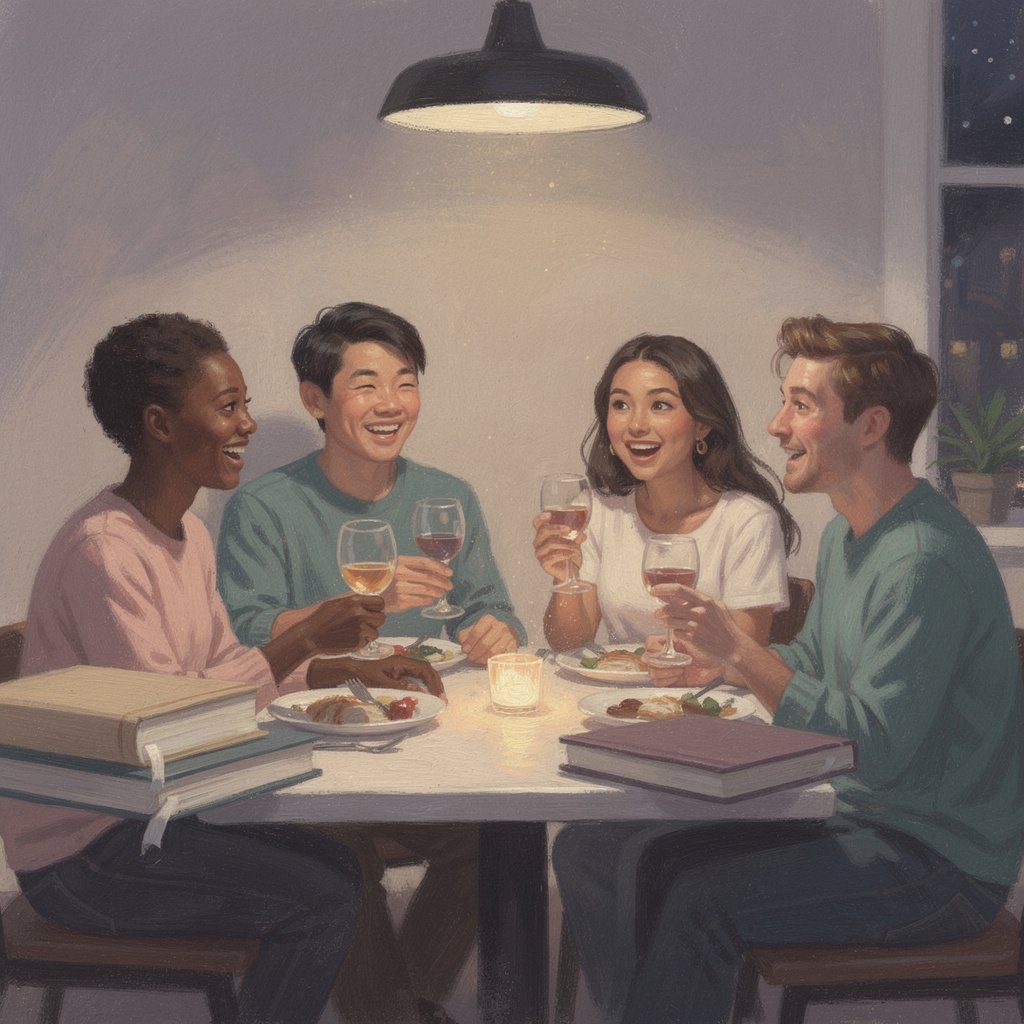
Third—and this one I hadn’t covered yet—try to connect that old memory of yourself to how you currently see yourself. For example, rather than me thinking just about the celebratory dinner with the other PhD students after the long summer of studying for our Qualifying Exams, I should think about how that moment now connects to my life as a professor.
In research run on this topic by a professor once hailing from The Ohio State University, Constantine Sedikides and his colleagues had people write about a nostalgic memory in detail (while others wrote about an ordinary memory instead). And the more people felt the memory connected them to their past selves, the more people felt energized and found meaning in life.
Importantly, though, you don’t need such a drawn-out procedure to use nostalgia to your advantage. Simply listening to a song or smelling a familiar smell (like those old sneakers) can produce the same effects—so long as it triggers nostalgia in the appropriate way.
In going back to OSU recently, standing in front of that audience in Lazenby Hall Room 120, naturally, I didn’t do any of the advice I’m prescribing here. But a few of the jokes in my presentation landed and so that felt pretty much as good.
Nostalgically,
Jake
Everyday Psychology: Nostalgia doesn’t have to be something that only benefits yourself. You can use nostalgia to help influence others’ well-being, too. For example, getting another person to feel nostalgic can increase their feelings of optimism, which might be able to help you in return. In general, research shows that people tend to remember ages 10-30 the best, so whether trying to induce nostalgia in others or yourself, consider leveraging memories from this part of your life!
Note: All text was written by Jake unless otherwise noted. All images were generated by AI.
Sedikides, C., Wildschut, T., Cheung, W.-Y., Routledge, C., Hepper, E. G., Arndt, J., Vail, K., Zhou, X., Brackstone, K., & Vingerhoets, A. J. J. M. (2016). Nostalgia fosters self-continuity: Uncovering the mechanism (social connectedness) and consequence (eudaimonic well-being). Emotion, 16(4), 524–539. https://doi.org/10.1037/emo0000136
Wildschut, T., Sedikides, C., Arndt, J., & Routledge, C. (2006). Nostalgia: Content, triggers, functions. Journal of Personality and Social Psychology, 91(5), 975–993. https://doi.org/10.1037/0022-3514.91.5.975